
The 4 Strength Moves Worth Doing After 50
You don't need a gym membership or a complicated programme. Four basic movement patterns cover most of what keeps a man strong, steady and independent.
How hard you can squeeze turns out to say a lot about overall strength and health as you age. What the research found, what it doesn't mean, and how to keep your grip strong.
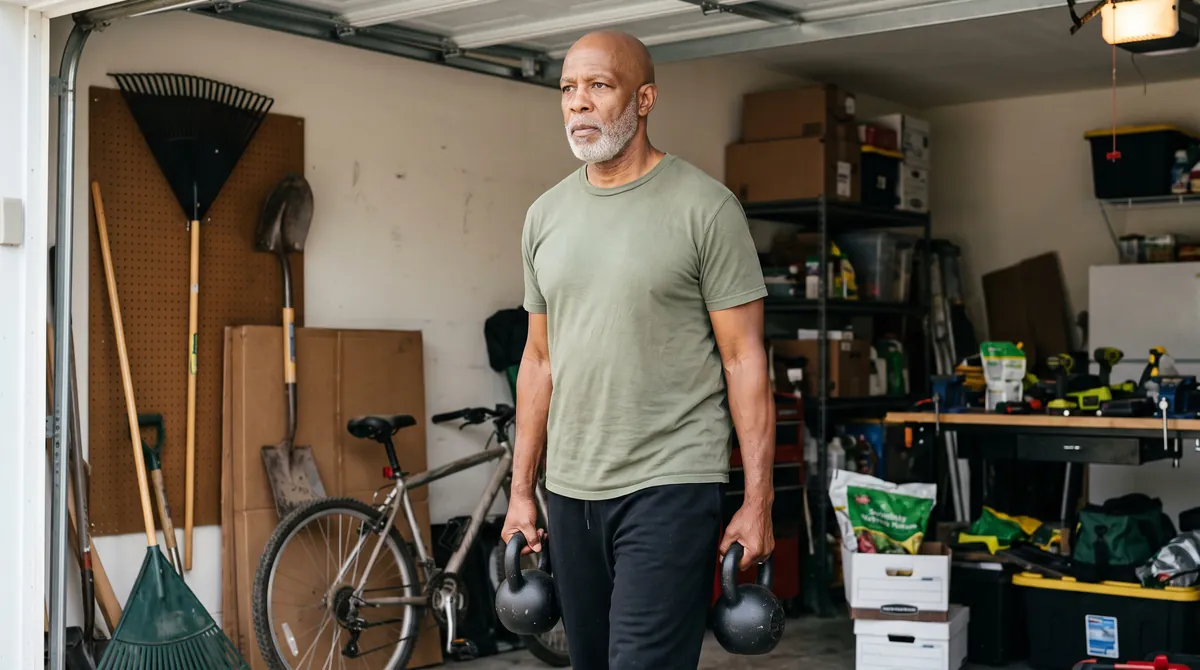
Of all the numbers a doctor might record, grip strength sounds like the least important. It's just how hard you can squeeze a gadget called a dynamometer. Yet over the past decade, it has turned up again and again in research on ageing, as one of the simplest signals of how a body is holding up.
The best-known research comes from the PURE study, published in The Lancet in 2015. Researchers measured the grip strength of nearly 140,000 adults across 17 countries and followed them for about four years.
This is an association, not proof that your hands control your lifespan. Grip strength is a stand-in for something bigger: how much muscle and strength you have overall, how active you are, and how well you're recovering from illness. Squeezing a tennis ball all day won't change your health on its own. Building strength across your whole body is what matters, and grip comes along with it.
Forget the research for a second. Grip is how you open jars, carry the groceries in one trip, hold the handrail on the stairs, steady yourself getting out of the car, and catch yourself if you slip. Losing it chips away at independence in small, practical ways.
Doctors and physical therapists use a dynamometer, and some clinics will measure it if you ask. At home you can keep it simple: notice whether jars, heavy bags and gripping tools have become harder over the past few years. The trend matters more than any single number.
Arthritis in your hands? Grip work doesn't have to hurt. Use thicker handles, lighter loads held for longer, and stop if a joint becomes painful or swollen. A hand therapist can tailor exercises to you.
One page to take to your next appointment: the screenings, numbers and questions worth raising after 50, with space to write your results. Made to print.
We'll email you a link to confirm your address; confirming opens the download. You'll also get our occasional newsletter on strength, sleep and men's health. Unsubscribe anytime. We never sell your email address. See our Privacy Policy.
Check your inbox. We sent a message to confirm your address. Click the button in it and the checklist opens right away. Not there in a few minutes? Look in your spam or promotions folder.
You don't need a gym membership or a complicated programme. Four basic movement patterns cover most of what keeps a man strong, steady and independent.

Waking up to use the bathroom is one of the most common complaints of men over 50. The prostate is only one of several reasons, and the fix depends on which one is yours.

Most men see a doctor when something hurts. A short list of the screenings, numbers and questions worth raising after 50, based on U.S. Preventive Services Task Force recommendations.